Appoint a Chief Memory Officer: The Low-Effort Way to Keep Your Friend Group’s Story Alive
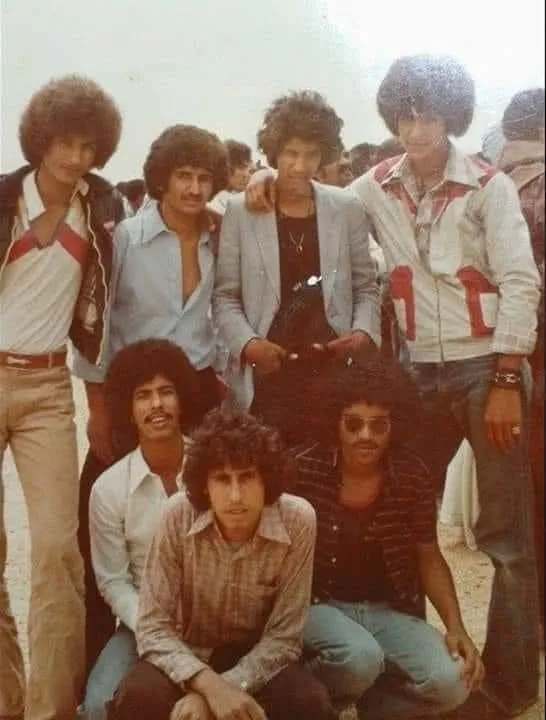
Photo: Unknown authorUnknown author, Public domain, via Wikimedia Commons
You know the feeling. Someone says “remember when?” and the whole chat goes quiet except for one person typing “wait, what happened?” The bit that used to wreck you every single time now needs a footnote. The nickname has lost its origin. The photo is somewhere in a camera roll between a screenshot of a smoothie and a receipt from Target.
That’s not a friendship failure. That’s just what happens when a group has more life than storage space. Group chats are built to scroll, not to preserve. And if nobody is paying attention to the story, the story starts to blur.
Enter the Chief Memory Officer: the friend who keeps the lore. Not the planner. Not the therapist. Not the group’s unpaid HR department. The CMO is a curator—someone who catches the weird, funny, tender stuff before it disappears and gives it a place to live.
The Half-Life of an Inside Joke
Every friend group has its own universe. There’s the founding myth, the recurring characters, the phrases that mean nothing to outsiders and everything to you. That shared language is part of what makes a crew feel like home. It’s also extremely fragile.
Inside jokes fade when nobody writes them down. Origin stories get shortened until they’re basically a rumor. New friends join and spend six months smiling politely through references they don’t understand. Old friends move, get busy, change jobs, change cities, and suddenly the group’s history is being held together by whoever has the best memory and the least amount of free time.
A Chief Memory Officer fixes that—not by scrapbooking every moment like it’s a school project, but by making memory-keeping small enough to actually survive a normal week. The goal isn’t a perfect archive. The goal is a living one.
What the Job Actually Is (and Isn’t)
The title sounds fancy. The job is not. A good CMO does three things: keeps the origin story, maintains the glossary, and pulls together a yearly highlight reel. That’s it.
This is not the friend who becomes the group’s secretary. The CMO doesn’t chase RSVPs, manage the Venmo requests, or mediate drama. They’re not the keeper of receipts in the messy sense. They’re the keeper of the soft stuff—the jokes, the milestones, the ridiculous quotes, the moments that would otherwise vanish into a chat thread from March.
And there’s a boundary built in: not everything is for the archive. Part of being a good historian is knowing when to put the pen down. Ask before saving a screenshot. Respect the “off the record” moments. A crew’s lore should feel like a shared scrapbook, not surveillance with glitter.
The 15-Minute Lore Drop
Here’s the low-effort system: once a month, set a 15-minute timer and open a shared note. That’s the whole ritual. No fancy app required. Apple Notes, Google Docs, Notion, a group chat pinned message—use whatever your crew will actually open.
Answer three prompts:
- What made us laugh until we cried this month?
- What phrase, nickname, or bit entered the chat and refuses to leave?
- What tiny win deserves a line in the story?
Then drop in one photo or voice memo that captures the vibe. Don’t edit it into a masterpiece. Don’t write it like a press release. A bullet point is fine. A single sentence is fine. “Jules said ‘emotionally, I’m at the beach’ and we have not recovered” is enough.
Done is cuter than perfect. The lore drop works because it’s short enough to do on a Sunday night while your face mask is drying and your phone is already in your hand.
Build the Three Files
File One: The Origin Story
This is a one-page version of how the crew came to be. Where did you meet? What was the founding moment? Who are the recurring characters? What are the settings that keep showing up—the parking lot, the diner booth, the group chat that started as a homework thread and became a lifestyle?
Write it like a campfire story, not a Wikipedia entry. “We met in sophomore year because Maya borrowed a charger and never gave it back” is perfect. The origin story gives new friends context and gives old friends a reason to retell the good parts.
File Two: The Glossary
Every crew has vocabulary. Nicknames. Abbreviations. A specific emoji that means “I’m spiraling but make it funny.” A phrase from a road trip that became a personality trait. Keep a running glossary with short definitions. Don’t over-explain the bit until it dies. One line per entry is plenty.
This file is especially useful when someone new enters the group. Instead of making them quietly decode six months of chaos, you can hand them the lore like a tiny welcome packet. It’s inclusive, it’s funny, and it saves everyone from the awkward “wait, who is Gary?” moment.
File Three: The Annual Highlight Reel
As 2026 starts to wind down, block 20 minutes for a highlight reel. Not a polished video unless your crew is genuinely into that. A top-10 list, a photo dump, a playlist, a voice memo recap—whatever feels doable. Pull from the monthly lore drops so you’re not starting from zero.
Call it the Lore List. Call it the Crew Recap. Call it whatever makes your friends send the crying-laughing emoji. The point is to pause and say: this was our year. These were the bits. This is what we survived and celebrated and made funnier by being together.
Rotate the Crown
A Chief Memory Officer should not become a martyr. Memory-keeping is emotional labor, and emotional labor gets heavy when one person carries it forever. Rotate the role quarterly or yearly. Let a co-historian tag in. Make it opt-in and low-pressure. The friend with the best memory doesn’t automatically owe the group an archive.
The healthiest version of this is shared ownership. One person opens the note. Someone else adds the photo. Another friend drops the quote that made them cackle. The CMO is the vibe curator, not the sole employee of the friendship museum.
Why It’s Worth It
A crew with lore knows it has a future. The shared story is proof that you’ve been through things together—small things, stupid things, important things. It gives new members a way in and old members a reason to keep showing up. It turns “remember when?” from a test into a gift.
You don’t need a perfect system. You need a shared note, a monthly timer, and one friend willing to say, “Okay, I’ll be the keeper of the chaos.” That’s the whole job. The story is the souvenir. Keep it.